STUDIO — THE OWNER-OPERATOR
Business instincts,
builder hands.
Tate Development is Lucas Tate's venture studio. It exists to build and run companies of its own. Client work is the same muscle, applied to businesses the studio wants to see win. The work is judged by whether it helps the business, not just whether the code is technically done.
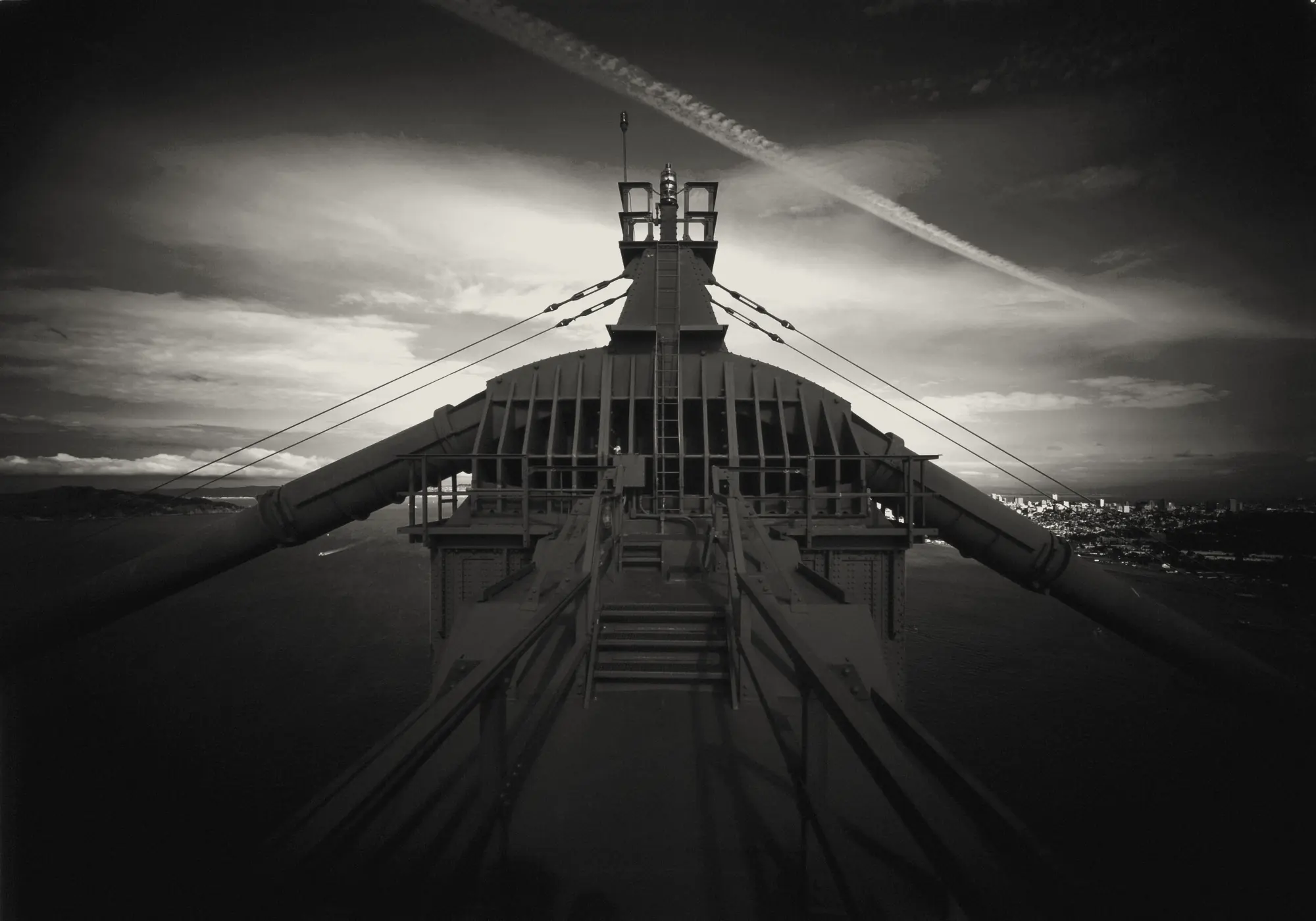
PLATE 01 — GOLDEN GATE BRIDGE — TOP OF THE SOUTH TOWER
746 FT ABOVE THE BAY / OPENED — 1937 / STILL STANDING
Three rings, in order
The studio doesn't take every project; it takes the ones it's built to win. The work comes in three rings, and the order is the point.
Its own ventures
The studio's first customer is itself. It builds and operates companies: customers, revenue, and reputations it answers for every day. This is the studio's main work; everything else grows out of it, and the same owner answers for all of it.
The industries around them
The studio builds for the companies in the industries where it operates. Deliberately, not occasionally. A stronger industry is good for everyone in it, the studio's ventures included. This is where most client work lives, and the studio arrives already knowing the industry from the inside, because it lives there.
A few chosen projects
Outside those industries, the studio takes a small number of projects a year, chosen because the problem is worth solving and the owner wants to solve it. The first decision of any engagement is whether the studio takes it; fit gets decided honestly on the first call.
One owner, one desk
One person answers
Lucas runs the studio's companies and leads every build it takes. Scoping, building, and answering for the result sit with the same person, on both sides of the desk.
Decisions get made like an owner's
What to build, what it costs, and what shouldn't be built at all get decided the way an owner decides: by what helps the business. That habit comes from running companies, and it doesn't switch off.
Small on purpose
A few companies, a few builds, one desk. The studio stays small enough that nothing gets handed to a queue, and every piece of work carries the owner's name.
Operators own the day-to-day
Each venture pairs with an operator who owns distribution and growth, while the studio designs, builds, and maintains the machine. The model grows by partners, not headcount.
One standard, everything
The bar is set by the studio's own companies, and everything built here has to clear it: make the business easier to trust, easier to buy from, or easier to run.
- CONVICTION
- NOTHING GETS BUILT WITHOUT IT
- CLARITY
- CUSTOMERS UNDERSTAND WHAT TO DO NEXT
- TRUST
- A BUSINESS LOOKS AS CREDIBLE ONLINE AS IT IS IN PERSON
- SPEED
- FAST ON REAL DEVICES, NOT LAB TESTS
- SEARCH
- STRUCTURED SO CUSTOMERS CAN FIND IT
- CARE
- RUN, WATCHED, AND IMPROVED AFTER LAUNCH
- OWNERSHIP
- EVERYTHING STAYS PORTABLE
House rules
- [01]Solve the business problem first.
- [02]Make the next step obvious.
- [03]Earn trust before asking for action.
- [04]If something is unclear, say so.
[05] THE COMPANIES—
This is not theory. The studio runs its own companies.
Eureka and Field & Form are Tate Development's own ventures, live, with customers, revenue, and reputations to answer for. They are the studio's main work, and the reason everything else here exists.