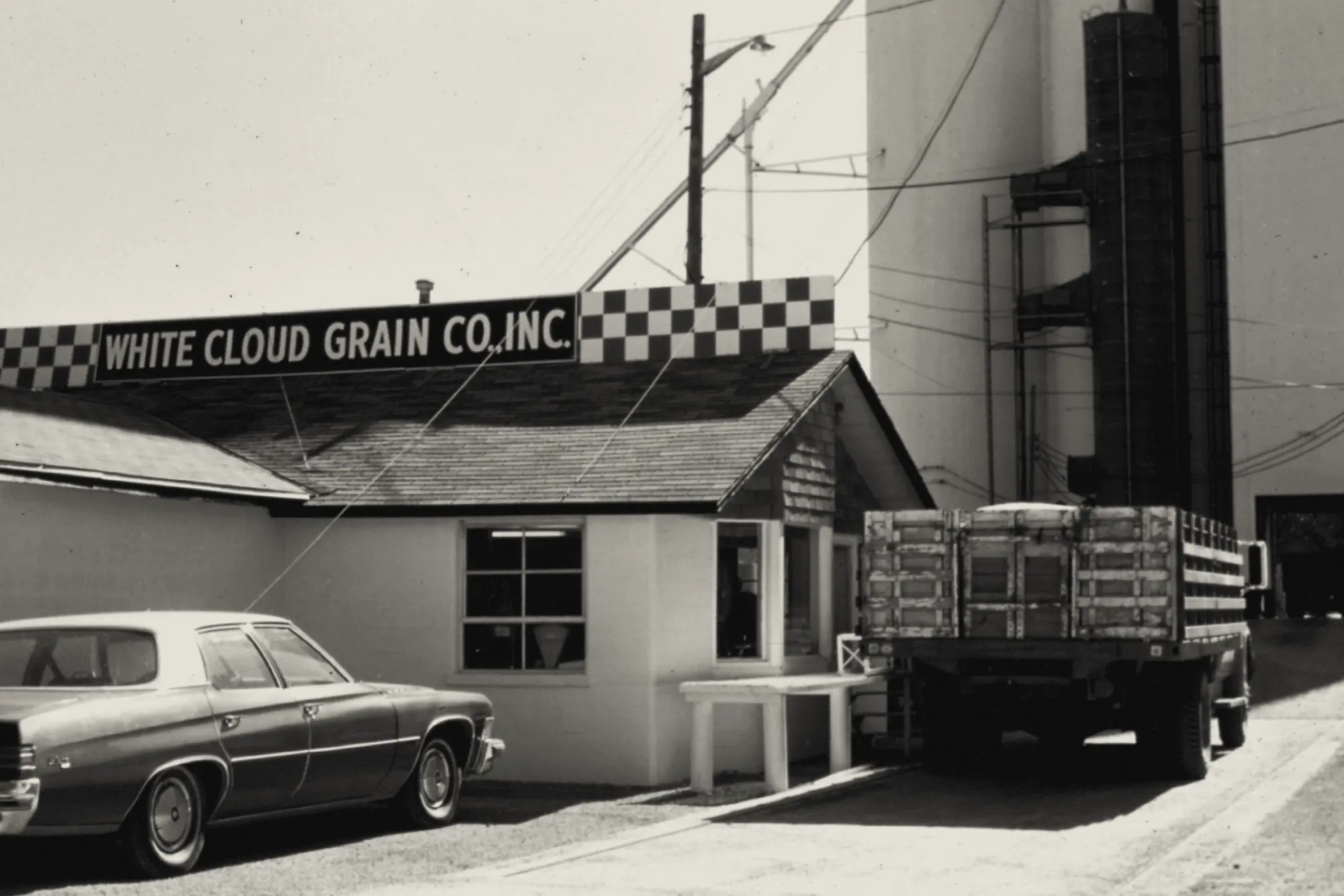
PLATE 01 — WHITE CLOUD GRAIN CO. — WHITE CLOUD, KANSAS
DONIPHAN COUNTY, KANSAS / EPA DOCUMERICA / NARA 557109
Our tagline is a business model. This is the argument behind it.
Most companies that build software for an industry are tourists. They arrive, build, invoice, and leave. Whatever happens to the industry afterward isn't their problem. They were never in it; they were near it for the length of a contract, and both sides knew it. The work can still be good. The interests just stop touching the day the invoice clears.
Venture studios run the other way and hit a different wall. They build companies into industries and treat the industry as terrain. Market share is the score, and anything that helps the field at large is a leak in the model. A studio like that can build a great company and still have no reason to care whether the industry around it is any good.
We think an industry is closer to a neighborhood than a battlefield. Shared vocabulary, shared infrastructure, shared reputation. Companies in it rise and fall on their own merits, but all of them sit downstream of how the neighborhood is doing. A trusted industry gets more customers, better talent, and less friction for everyone in it. A distrusted one taxes every member to pay for its worst actor.
So we build companies of our own, run them for real, and then build for the industries those companies live in. Not out of generosity. Our companies do better when their industries do.
I majored in Environmental Business. The subject, underneath the coursework, is the distance between what the earth produces and what commerce does with it on the way to you. Somewhere in there I saw the gap this studio was built to work in: ordinary people on one side, complicated systems on the other, and no honest way for the people to check what the systems were telling them.
Eureka checks oil and gas royalty payments and finds money owners are owed. You could read that cynically: we profit from the industry's errors. If the industry were nothing but errors, that would even be true. In practice the effect runs the other way. Every statement an owner can finally read, and every payment that checks out clean, makes the field more trustworthy. That's good for owners. It's good for honest operators, who currently get lumped in with the sloppy ones. And it's good for us, because we run a company there. When we build for others in this industry, we're improving a neighborhood we live in.
Field & Form is the same conviction pointed at the things people buy every day, and it's the company that comes most directly from my own life. I've done the whole health arc (the optimizing, the tracking, the feeling vaguely guilty about every meal out), years of ups and downs trying to eat well inside a market built to keep the question confusing. Where I landed is simple: the closer a thing is to the earth, the better it is for you. That's a philosophy, not a methodology, and Field & Form is that philosophy made usable. It rates everyday products on one question (how close is this to where it came from?) and its ratings take no affiliate money and owe nothing to the brands they cover, because that's the only way a rating means anything.
The people it's really for are the ones already doing it right. In the Virginia mountains, a young family revived a ninety-year-old trout hatchery on an artesian spring: cast iron pipes, methods out of a 1930s book, water so clean it's the whole argument. A fish from that spring reaches a plate with little more than lemon, salt, and dill between them. The field it came from and the form it's in are nearly the same thing. Producers like that get outshouted every day by labels that say "natural" and mean nothing in particular, and the shopper standing in the aisle can't tell the difference. Stewardship like that deserves to be findable. If Field & Form works, those are the makers who get found.
Living in an industry changes the work. Nobody pays us to learn what a division order is. Judgment gets tested on our own revenue before it's sold to anyone. And because we stay, we build like we'll be standing next to the thing in five years. We will be.
It's also why we take so few builds. Every project has to clear the bar our own companies set: it has to make something better, both the business and the field the business stands in. Most work can't clear that, and pretending otherwise is how studios turn into agencies.
As far as we can tell, nobody else runs this model. We'd be glad to be wrong. More neighbors is the point.
We're not neutral about the industries we work in. We own companies there, and we say so. That's self-interest with a long horizon, and it's exactly why the interests line up. Better companies make better industries. Better industries make better companies.
We build both.